विश्वनाथ

Shri Kashi Vishwanath

Discover
Kashi Vishwanath Temple
Temple Heritage
Est. 1780

About Shri
Kashi Vishwanath

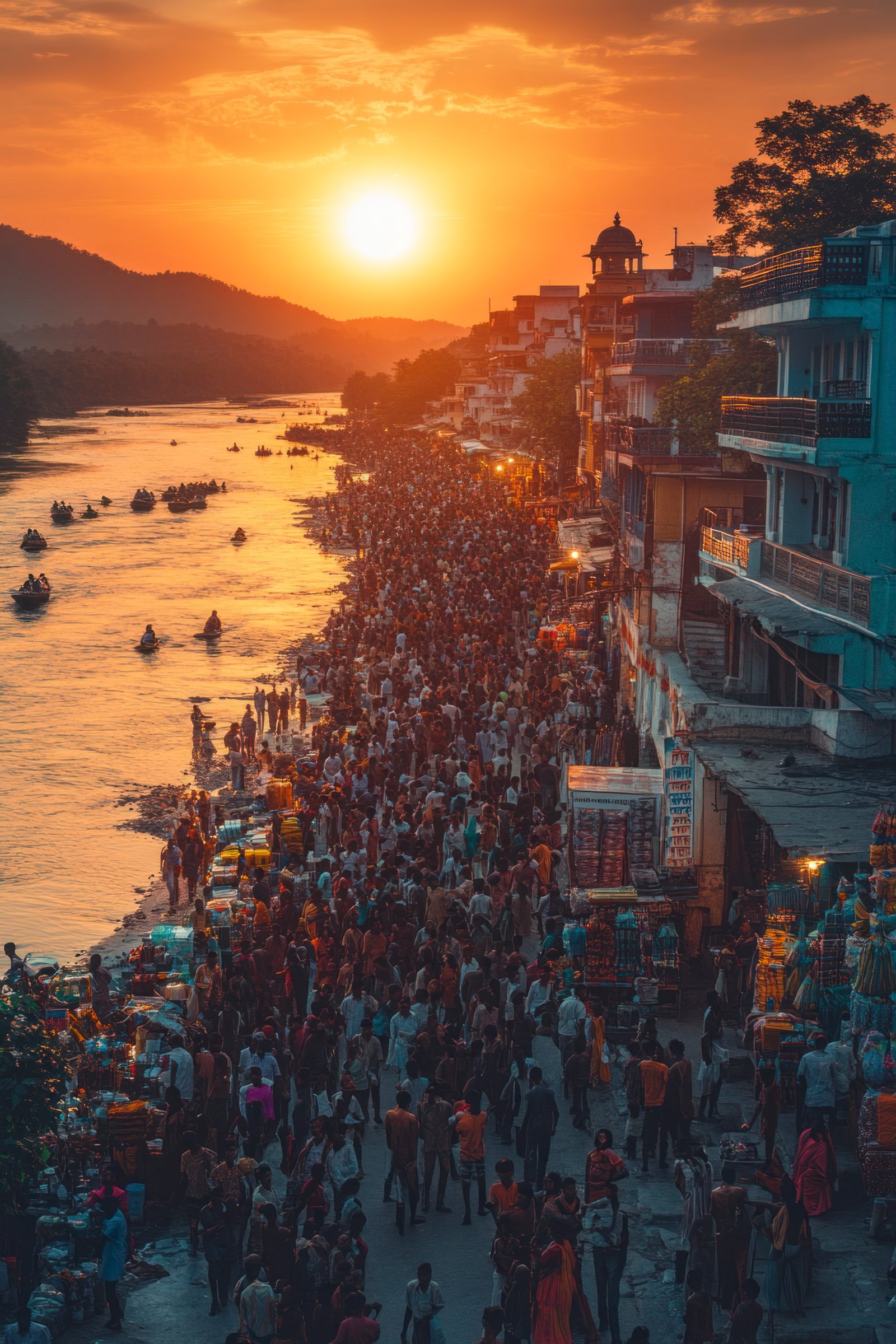
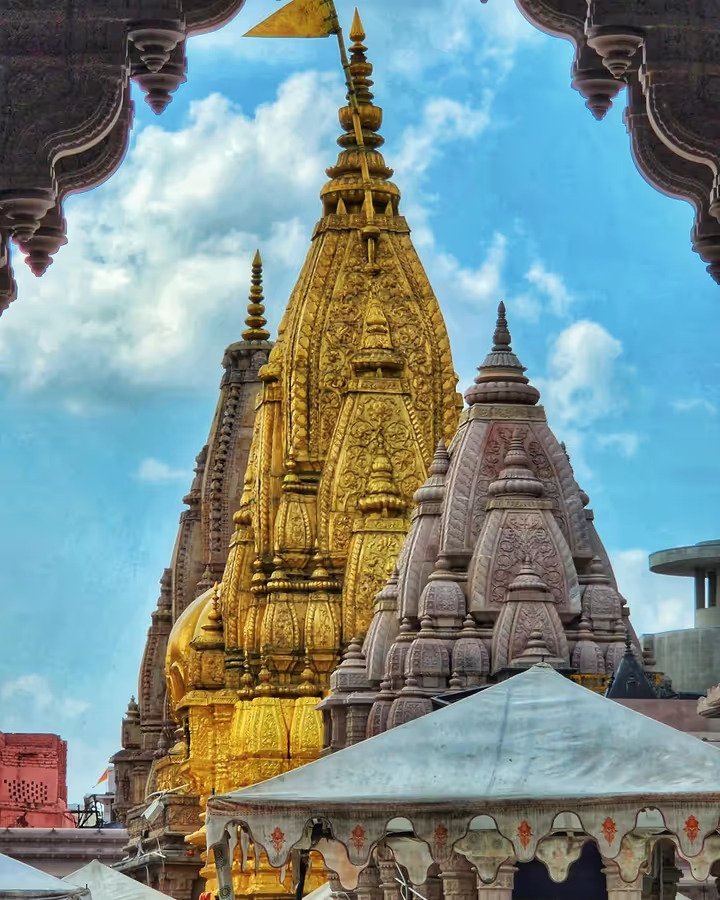
Standing on the western bank of India's holiest river Ganges, Varanasi is the oldest surviving city of the world and the cultural capital of India. It is in the heart of this city that there stands in its fullest majesty the Kashi Vishwanath Temple in which is enshrined the Jyotirlinga of Shiva, Vishweshwara or Vishwanath. Here gravitate the teeming millions of India to seek benediction and spiritual peace by the darshan of this Jyotirlinga which confers liberation from the bondages of maya and the inexorable entanglements of the world. A simple glimpse of the Jyotirlinga is a soul-cleansing experience that transforms life and puts it on the path of knowledge and bhakti. Vishweshwara Jyotirlinga has a very special and unique significance in the spiritual history of India. Tradition has it that the merits earned by the darshan of other jyotirlinga scattered in various parts of India accrue to devotee by a single visit to Kashi Vishwanath Temple.

Here gravitate the teeming millions of India to seek benediction and spiritual peace by the darshan of this Jyotirlinga which confers liberation from the bondages of maya and the inexorable entanglements of the world. A simple glimpse of the Jyotirlinga is a soul-cleansing experience that transforms life and puts it on the path of knowledge and bhakti. Vishweshwara Jyotirlinga has a very special and unique significance in the spiritual history of India. Tradition has it that the merits earned by the darshan of other jyotirlinga scattered in various parts of India accrue to a devotee by a single visit to Kashi Vishwanath Temple.

Deeply and intimately implanted in the Hindu mind, the Kashi Vishwanath Temple has been a living embodiment of our timeless cultural traditions and highest spiritual values. The Temple has been visited by all great saints — Adi Shankaracharya, Ramkrishna Paramhansa, Swami Vivekanand, Goswami Tulsidas, Maharshi Dayanand Saraswati, Gurunanak and several other spiritual personalities. The Kashi Vishwanath Temple attracts visitors not only from India but abroad as well and thereby symbolises man's desire to live in peace and harmony with one another. Vishwanath being a supreme repository of this spiritual truth thus strengthens the bonds of universal brotherhood and fellow feeling at the national as well as global levels.

On January 28, 1983 the temple was taken over by the Govt. of Uttar Pradesh and its management ever since stands entrusted to a Trust with Dr. Vibhuti Narayan Singh, Former Kashi Naresh, as president and an Executive Committee with Divisional Commissioner as Chairman. The Temple in the present shape was built way back in 1780 by Late Maharani Ahilya Bai Holkar of Indore. In the year 1785 a Naubatkhana was built up in front of the Temple by the then Collector Mohd. Ibrahim Khan at the instance of Governor General Warren Hastings. In 1839, the two domes of the Temple were covered by gold donated by Punjab Kesari Maharaja Ranjeet Singh. The third dome still remains uncovered — the Ministry of Culture & Religious Affairs of U.P. Govt. is taking keen interest for gold plating of the third dome.

Timings

04:30 AM – 12:30 AM

Location

Lahori Tola, Domari, Varanasi — 221001

How to Reach

Via Dashashwamedh Ghat Road, Varanasi

आरती

Daily Aartis at
Shri Kashi Vishwanath

Five sacred rituals that mark the rhythm of each day in the eternal city

01 3:00 AM – 4:00 AM

Mangala Aarti

The first ritual of the day, performed in the serene stillness of early morning. Priests awaken Lord Shiva with Vedic mantras, conch shells, and bells. Lamps are lit and waved in choreographed patterns, symbolizing the dispelling of darkness and ignorance.

02 11:15 AM – 12:20 PM

Bhog Aarti

An expression of gratitude through offering food. Traditional dishes are ceremoniously presented to Lord Shiva, later distributed as prasadam. The ritual connects devotion with the sacred act of nourishment.

03 7:00 PM – 8:15 PM

Saptarishi Aarti

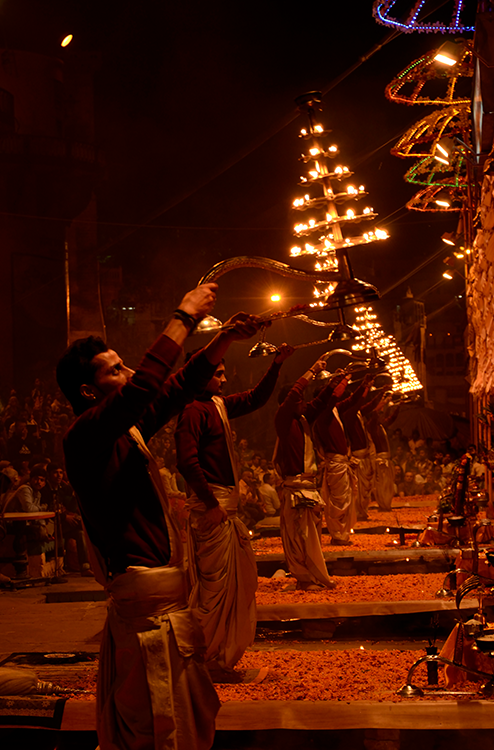
Pays homage to the seven great sages. As dusk falls, priests chant ancient hymns with drums and bells while large brass lamps are moved in sweeping circles — a deeply moving and transformative experience.

04 9:00 PM – 10:15 PM

Shringar Aarti

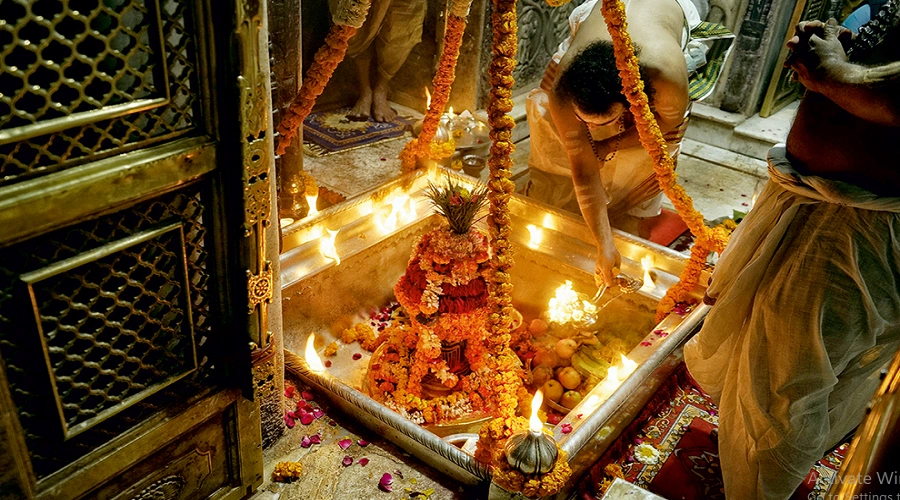
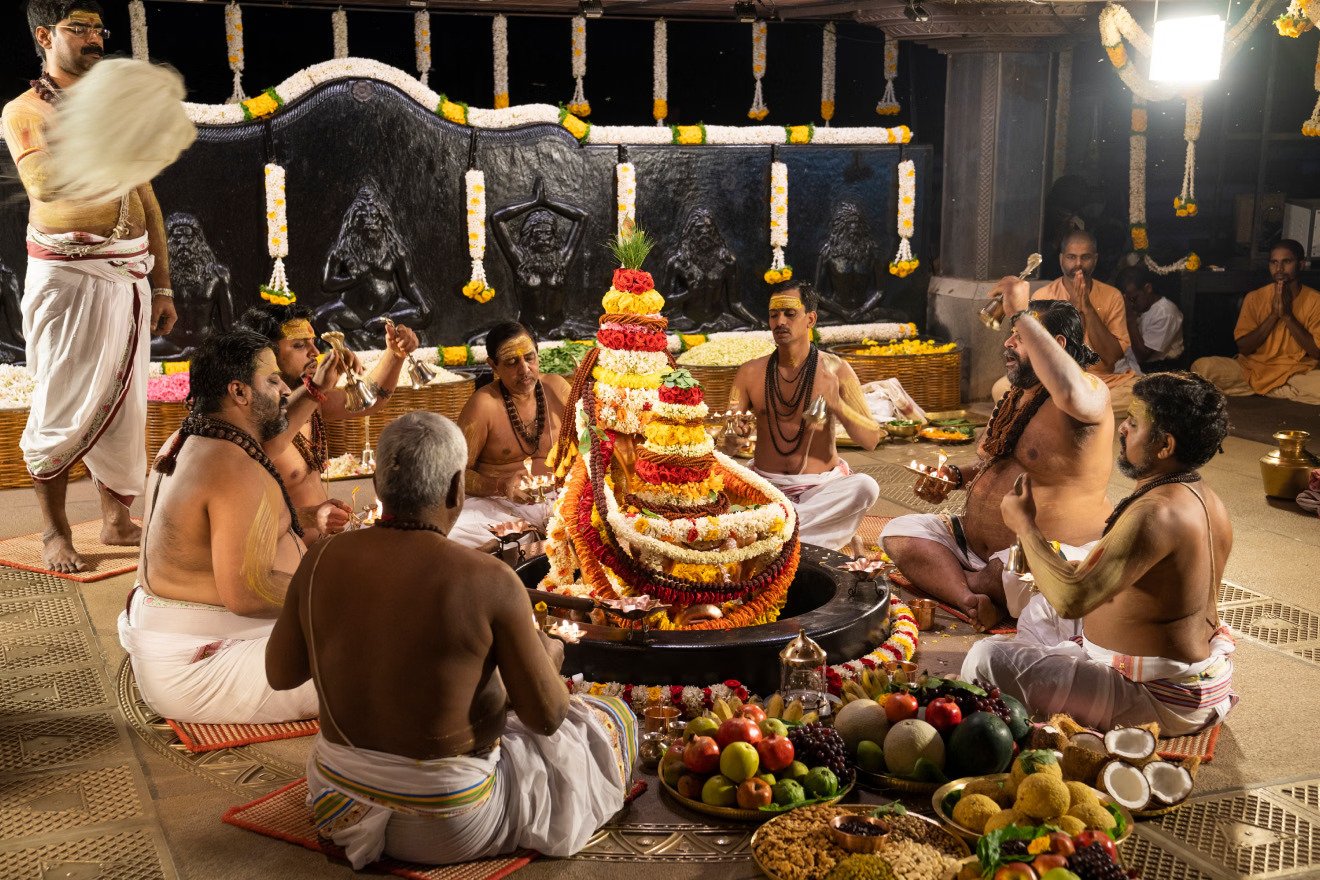
Celebrates the beauty of Lord Shiva. The deity is elaborately decorated with flowers, jewelry, garments, and sandalwood paste. The sanctum fills with fragrance and light — the most visually enchanting ceremony of the day.

05 10:30 PM – 11:00 PM

Shayan Aarti

Lord Shiva is symbolically prepared for rest with lullaby-like hymns and gentle lamp waves. The calm, meditative atmosphere signifies rest, peace, and protection — the most intimate aarti of the day.

उत्सव

Sacred Festivals

Annakut
01
01

Annakut

Gratitude & the Gift of Food · Fourth day of Diwali

The Annakut festival of Varanasi is a Hindu celebration observed on the fourth day of Diwali, dedicated to expressing gratitude and thanksgiving to Goddess Annapurna, the deity of food. This auspicious occasion revolves around offering prayers to Goddess Annapurna and presenting her with various food items. The offerings are later distributed to the underprivileged and needy individuals.

The festival is marked with grandeur in Varanasi, where the Annapurna Mandir is adorned with resplendent flowers and radiant lights. According to mythology, this day commemorates Lord Krishna's act of lifting the Govardhan Hill. Various delicacies made from gram flour and rice are prevalent, and engaging drama recitals narrating the childhood stories of Lord Krishna are a common sight during the festivities.

The Annakut festival in Varanasi is a cherished celebration that embodies gratitude, compassion, and the joy of sharing — with a focus on paying homage to Goddess Annapurna and honoring Lord Krishna. Annakut is organised by Local Authority.

Mahashivratri
02
02

Mahashivaratri

The Great Night of Shiva · Month of Phalguna

No words can truly capture the exuberance, the joyous revelry, and the deep devotion that fill Varanasi on Mahashivratri — the divine night when Lord Shiva marries Devi Parvati, symbolizing the sacred union of Shiva and Shakti, the cosmic energies of creation.

A central highlight is the Shiv Baraat, the royal wedding procession of Lord Shiva. Several processions are organized across the city, each attended by countless devotees. The air reverberates with marching bands, conch shells, bells, cymbals, and drums, adding to the joyous chaos.

As night falls, hundreds of thousands of barefoot pilgrims undertake the epic Panchkroshi Parikrama. Chanting "Har-Har Bam-Bam," they run tirelessly. Mahashivratri in Varanasi is not merely a festival — it is an unparalleled celebration of devotion, culture, and the city's living heritage.

Rangbhari Ekadashi
03
03

Rangbhari Ekadashi

The Eleventh Day Full of Colours · Phalguna Ekadashi

The eleventh day of the waxing moon in Phalguna is especially significant for Varanasi. According to legend, this is the day when Lord Shiva first entered Varanasi with Devi Parvati. Lord Shiva chose Varanasi as their abode, settling in the Kedar Khanda. This day is celebrated as Rang Bhari Ekadashi — "the eleventh day full of colors."

Residents smear colored powders such as kumkum and abeer on Shivlings across the city. The Kashi Vishwanath Temple welcomes over two hundred thousand devotees. Idols of Lord Shiva and Devi Parvati are ceremonially brought to the temple by volunteers playing the damru.

The day following is equally remarkable — Holi at Manikarnika Ghat played with colors, sandalwood, and the ashes of the dead. The ashes blur the duality between life and death, affirming that divinity is present in both — the true essence of the eternal city of Varanasi.

Tweaks